
"German auto industry"
42000 article(s) found

Guatemala boutique coffee Vivetnam fruit producing area coffee bean boutique coffee origin
Guatemala is a presidential republic in Central America, located in the south of the North American continent. It is bordered by the Pacific Ocean to the west, the Caribbean Sea to the east, Mexico to the north and Honduras and El Salvador to the southeast. Coffee was really introduced into Guatemala in 1750 by Father Jesuit, and the coffee industry was developed by German colonists at the end of the 19th century.
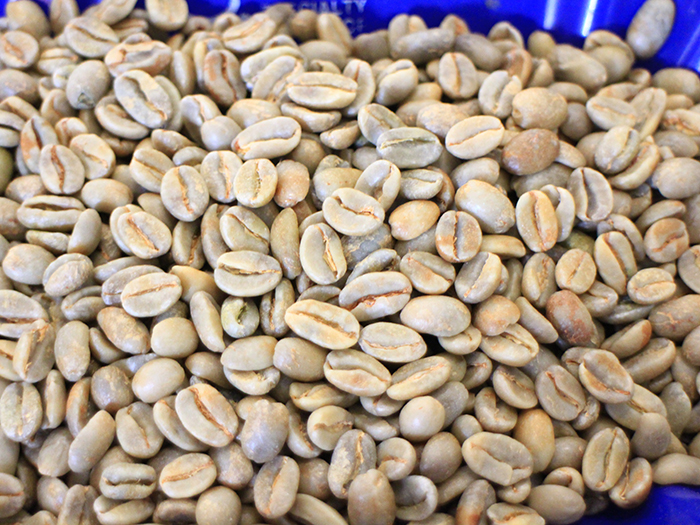
Washed coffee beans in Guardia La Tisa Manor Bourbon Kaddura fresh hard beans at high altitude
Coffee was really introduced into Guatemala in 1750 by Father Jesuit, where the coffee industry was developed by German colonists at the end of the 19th century. Today, most of the coffee industry's production takes place in the south of the country. There are seven main coffee producing areas in Guatemala: Antigua, Coban, Atitlan and Huehuete.

Introduction of Guatemalan Fine Coffee Flavor of Guatemalan Coffee
In Guatemala in 1750, Father Jesuit introduced coffee trees to Guatemala (Guatemala), where German colonists developed the coffee industry at the end of the 19th century. Today, most of the coffee industry's production takes place in the south of the country. Coffee production in Guatemala: the slopes of SierraMadre volcano provide ideal conditions for growing high-quality coffee beans.

Aromatic, full-bodied Rwandan coffee flavor Taste Manor characteristics Fine coffee Introduction
Clans began to coalesce into kingdoms in the 15th century, and by 1700 there were eight kingdoms in Rwanda. The Kingdom of Rwanda, ruled by the Tutsi Nyiginya clan, grew from the mid-18th century until it reached its peak in the 19th century under King Kigali IV. Between 700 BC and 1500 AD, some Bantu groups migrated to Rwanda, clearing forests for seed production

Guatemala Latissa Estate Coffee Type Estate Introduction
Coffee was introduced to Guatemala in 1750 by Father Jesuit, and German colonists developed the coffee industry in the late 19th century. Today, most of the coffee industry is produced in the south of the country. Guatemala has seven major coffee-producing regions: Antigua, Coban, Lake Atitlan and Huehuete

FLO Fair Trade in Rwanda | what is the flavor of COOPAC Cooperative Grade An in Kupec?
Professional coffee knowledge exchange more coffee bean information please follow the coffee workshop (Wechat official account cafe_style) Rwanda FLO Fair Trade | Kupec COOPAC Cooperative Grade A flavor? Almost all coffee in Lu is produced by small farmers. It is estimated that there are more than 500,000 small coffee farmers in the country, and most of the average area of each farm is less than one hectare. In addition, transportation is not
Boutique coffee recommends Guatemalan coffee
In 1750, Father Jesuit introduced coffee trees to Guatemala, where the coffee industry was developed by German colonists at the end of the 19th century. Today, most of the coffee industry's production takes place in the south of the country. Coffee production in Guatemala: the slopes of SierraMadre volcano provide ideal conditions for growing high-quality coffee beans at high altitudes.

Antigua Coffee, Guatemala
Coffee was introduced to Guatemala in 1750 by Father Jesuit, and German colonists developed the coffee industry in the late 19th century. Today, most of the coffee industry is produced in the south of the country. Guatemala has seven major coffee-producing regions: Antigua, Coban, Lake Atitlan and Huehuetenango

A global coffee producer in Guatemala.
In 1750, Father Jesuit introduced coffee trees to Guatemala, where the coffee industry was developed by German colonists at the end of the 19th century. Today, most of the coffee industry's production takes place in the south of the country. Coffee production in Guatemala: the slopes of SierraMadre volcano provide ideal conditions for growing high-quality coffee beans at high altitudes.

The art of paper coffee tells the story of my encounter with coffee
I like coffee so much that I have tea for breakfast: The first cup of the day in particular is so good that Im afraid I wont be able to properly appreciate it when I am half-asleep. Therefore, I celebrate it two hours later when I am fully

Guatemalan coffee treatment method Coffee Origin
Guatemala, where the coffee industry was developed by German colonization at the end of the 19th century. Today, most of the coffee industry's production takes place in the south of the country. Here, the slopes of the Sierra Madre volcano provide ideal conditions for growing high-quality coffee beans, and coffee growing at high altitudes is full of vitality. Compared with other kinds of coffee, critics prefer this kind of coffee.

Guatemalan coffee the characteristics of Guatemalan coffee
In 1750, Father Jesuit introduced coffee trees to Guatemala, where the coffee industry was developed by German colonists at the end of the 19th century. Today, most of the coffee industry's production takes place in the south of the country. Coffee production in Guatemala: the slopes of SierraMadre volcano provide ideal conditions for growing high-quality coffee beans at high altitudes.

German bean grinder German coffee grinder German Mahdi bean grinder is easy to use
Professional coffee knowledge exchange more coffee bean information please follow the coffee workshop (Wechat official account cafe_style) on-demand grinding: fresh aromatic parts directly into the filter hands-free operation: when inserting the filter, the grinder automatically starts the precision burr made of wear-resistant steel to adjust the grinding precision and consistent dose of electronic controller electronic control of higher daily workload and lower ventilation.

Antigua Coffee, Guatemala (Guatemala Antigua)
Coffee was really introduced into Guatemala in 1750 by Father Jesuit, where the coffee industry was developed by German colonists at the end of the 19th century. Today, most of the coffee industry's production takes place in the south of the country. Guatemala has seven main coffee producing areas: Antigua (Antigua), Cobain (Coban), Lake Attilan (Atitlan), Vevetnango (Huehuetenango)

Global Coffee producing area Guatemala Coffee Market
In 1750, Father Jesuit introduced coffee trees to Guatemala, where the coffee industry was developed by German colonists at the end of the 19th century. Today, most of the coffee industry's production takes place in the south of the country. Coffee production in Guatemala: the slopes of SierraMadre volcano provide ideal conditions for growing high-quality coffee beans at high altitudes.

Coffee bean producing countries introduce Guatemalan coffee
In 1750, Father Jesuit introduced coffee trees to Guatemala, where the coffee industry was developed by German colonists at the end of the 19th century. Today, most of the coffee industry's production takes place in the south of the country. Coffee production in Guatemala: the slopes of SierraMadre volcano provide ideal conditions for growing high-quality coffee beans at high altitudes.

Rich volcanic soil, low moisture Guatemalan coffee plantations
Coffee was really introduced into Guatemala in 1750 by Father Jesuit, and the coffee industry was developed by German colonists at the end of the 19th century. Today, most of the coffee industry's production takes place in the south of the country. There are seven major coffee producing areas in Guatemala, and the flavor of the coffee produced in each area is different, but to sum up, the coffee in Guatemala is all

Caffeine is good for your health. Do you want to get rid of caffeine?
(Weixin Official Accounts cafe_style) Lange was a 19th century German chemist who made pioneering progress in the study of belladonna, a solanaceous plant, and isolated a compound that causes eye muscles to expand when ingested. He inspired poets and politicians to sing

Boutique Coffee introduction Antigua Coffee Guatemala
Coffee was really introduced into Guatemala in 1750 by Father Jesuit, where the coffee industry was developed by German colonists at the end of the 19th century. Today, most of the coffee industry's production takes place in the south of the country. Guatemala has seven main coffee producing areas: Antigua (Antigua), Cobain (Coban), Lake Attilan (Atitlan), Vevetnango (Huehuetenango)
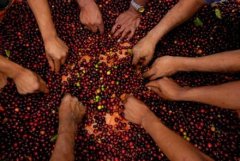
Coffee flavors from different coffee producing areas around the world coffee producing areas in Guatemala
In Guatemala in 1750, Father Jesuit introduced coffee trees to Guatemala (Guatemala), where German colonists developed the coffee industry at the end of the 19th century. Today, most of the coffee industry's production takes place in the south of the country. Coffee production in Guatemala: the slopes of SierraMadre volcano provide ideal conditions for growing high-quality coffee beans.